

Assisted living can strengthen social connection by making everyday interaction easier, more predictable, and more accessible. For older adults in Allentown, PA, a supportive residential setting may reduce the isolation that can develop after a move, health change, loss of a spouse, or difficulty managing a home independently.
Social connection is not limited to large events or close friendships. It can include regular conversations, shared meals, familiar faces, group activities, and the simple comfort of knowing that other people are nearby.
Why can social isolation become a concern for older adults?
Social isolation may develop gradually rather than from one major event. An older adult may stop driving, have trouble walking long distances, move away from longtime neighbors, or lose access to activities that once provided routine contact with others.
Seasonal conditions can add to the challenge. Cold weather, snow, and shorter daylight hours may make outdoor visits and errands less convenient. Homes with stairs, uneven walkways, or difficult maintenance needs can also limit how often a person leaves the house or welcomes visitors.
Loneliness and isolation are not exactly the same. A person may spend time alone without feeling lonely, while another person may feel disconnected even when surrounded by people. Assisted living does not guarantee close friendships, but it can create more regular opportunities for meaningful contact.
How do shared meals encourage connection?
Dining areas provide one of the most consistent social settings in assisted living. Residents often have the opportunity to eat with others instead of preparing every meal alone or relying on irregular visits from family members.
Shared meals can support connection in several ways:
- They create a predictable daily routine.
- They offer natural conversation without requiring residents to plan an activity.
- They help residents become familiar with people who share similar schedules.
- They may encourage informal friendships based on food preferences, family experiences, or local memories.
Some residents prefer quiet meals or eating with only one or two people. A socially supportive setting should allow those preferences rather than treating every meal as a group event.
What kinds of activities help residents form friendships?
Activities are most effective when they reflect different interests, abilities, and energy levels. A schedule may include exercise, crafts, music, games, discussion groups, educational programs, gardening, religious or spiritual gatherings, and seasonal events.
The activity itself is only part of the benefit. Repeated participation gives residents a chance to see the same people over time, learn names, and develop shared experiences. Friendships often grow through routine rather than a single organized event.
Activities should also be adaptable. Someone with hearing loss, vision changes, arthritis, memory impairment, or limited mobility may need a quieter room, accessible seating, larger print, or additional time. Without those adjustments, a program may be available in theory but difficult to join in practice.
Can assisted living help residents who are shy or socially hesitant?
Yes, but social participation usually works best when it develops gradually. A resident who is reserved may not feel comfortable entering a large group alone. Gentle introductions, smaller gatherings, and familiar staff or neighbors can make participation less stressful.
Helpful approaches may include:
- Sitting near the same people during meals.
- Starting with one-to-one conversation.
- Joining a small activity before attending a larger event.
- Inviting a family member to participate in an activity.
- Choosing activities connected to past interests.
- Allowing time to observe before taking an active role.
Social connection should not be measured by how often a resident attends group programs. Quiet companionship, regular conversation with a neighbor, or a meaningful relationship with one other person may be more valuable than frequent attendance at large events.
What role do staff members play in social connection?
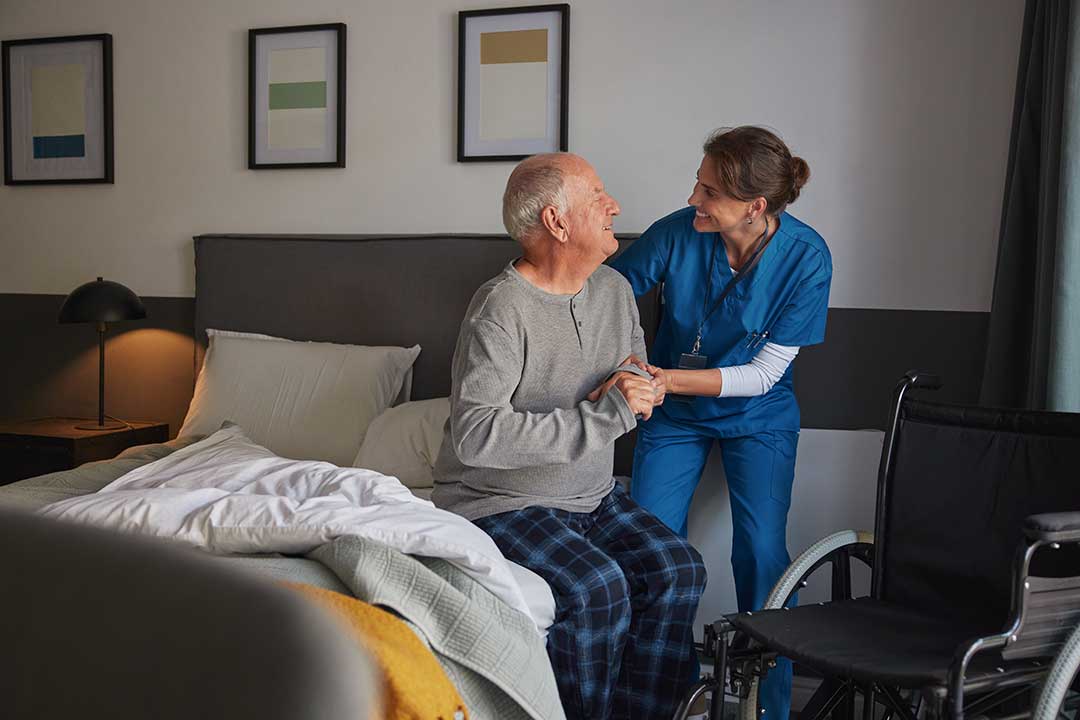
Staff members often help residents overcome practical barriers to participation. A resident may want to attend an activity but need help locating the room, using mobility equipment, managing a hearing aid, or understanding a schedule.
Staff can also notice changes that may not be obvious to family members. A person who suddenly stops attending meals or activities may be experiencing pain, fatigue, grief, confusion, hearing difficulty, or depression. A thoughtful response begins with asking why participation has changed rather than assuming the resident has lost interest.
Staff support should encourage independence without forcing interaction. Residents should be able to decline activities, spend time privately, and choose the relationships they want to pursue.
How does assisted living support family relationships?
Moving into assisted living does not replace family relationships. In many cases, it can make family visits more focused because relatives are no longer using every visit to manage household chores, transportation, meals, or urgent tasks.
Family members may remain involved through:
- Regular visits at times that work for the resident.
- Phone or video conversations.
- Shared meals or participation in community activities.
- Celebrating birthdays, holidays, and personal milestones.
- Bringing familiar photographs, music, books, or hobbies.
- Helping staff understand the resident’s history and preferences.
Families should remember that visits do not need to be long or elaborate to be meaningful. A consistent short visit may provide more reassurance than occasional visits that are difficult to maintain.
Can technology improve social contact?
Technology can help residents stay connected with relatives and friends who cannot visit often. Phones, tablets, and video calls may be useful, especially during illness, severe weather, or periods when travel is difficult.
However, technology should supplement rather than replace personal interaction. Some older adults may need assistance with passwords, charging devices, hearing volume, screen size, or navigating an unfamiliar application. Written instructions and patient support can reduce frustration.
Privacy and consent also matter. Residents should control who can contact them and when. A device should support the resident’s preferences, not create unwanted interruptions.
What if a resident still feels lonely?
Persistent loneliness deserves attention even when activities are available. A resident may attend events but still feel that conversations are superficial or that personal interests are not understood.
Possible contributors include recent bereavement, depression, anxiety, cognitive changes, hearing loss, pain, sleep problems, or difficulty adjusting to a new environment. A change in appetite, hygiene, mood, participation, or sleep may provide additional clues.
Family members and caregivers can ask specific questions, such as:
- “Who have you enjoyed talking with this week?”
- “Which activities feel comfortable, and which do not?”
- “Is there a time of day when you feel most alone?”
- “Would you prefer smaller groups or more individual visits?”
- “Are hearing, vision, pain, or transportation issues making socializing harder?”
If loneliness appears connected to depression, significant anxiety, confusion, or a major change in behavior, medical or mental health guidance may be appropriate. Social participation alone cannot address every cause of withdrawal.
How can families help a new resident adjust?
Adjustment often takes time. A new resident may need several weeks to learn the layout, recognize familiar faces, understand the daily schedule, and decide which activities feel comfortable.
Families can help by sharing practical information about the person’s interests, routines, conversation topics, cultural traditions, and past roles. A resident who enjoyed teaching, cooking, gardening, music, or volunteering may connect more easily when activities reflect those experiences.
It also helps to avoid judging adjustment by appearance alone. A resident may not form friendships immediately but may still be gaining confidence and learning how the community works. Regular encouragement, patient listening, and respect for personal choice can support that process.
Assisted living enhances social connection by placing daily opportunities for interaction within reach. The most meaningful connections usually come from consistent routines, accessible activities, shared interests, and relationships that develop at a comfortable pace.
